

What Should You Wear Running in Australia? The Complete Guide to Running in Hot Weather
OnPeak Hats
Running in Australia comes with a unique challenge…
This article answers the questions:
- What should I wear running in hot weather?
- What should I wear running in Australia?
- What should I wear for running in summer?
- Is it better to run with a hat?
- Should runners wear a cap?
- What is the best hat for running in hot weather?
- Are running hats worth it?
- What should I wear running in the Australian sun?
- How do I stay cool while running?
- How do you protect yourself from the sun while running?
- Are running caps breathable?
- What makes a good running hat?
- Should I wear a hat when running in the heat?
- Is a cap good for sun protection?
- What is the best running hat for hot weather?

Running in Australia comes with a unique challenge: the weather can change quickly, temperatures can climb fast, and UV levels can be high even when it doesn't feel particularly hot.
So, what should you wear running in Australia?
For most warm-weather runs, the best approach is lightweight, breathable and moisture-wicking clothing, comfortable running shoes, sunglasses, sunscreen and appropriate headwear. A good running hat or performance cap can also help manage sweat and shade your face and eyes from direct sunlight.
But choosing what to wear for a 5 km morning run is different from preparing for a long summer training session, trail run or race.
In this guide, we'll explain what to wear running in hot weather, how to choose the right running hat, how to stay cool while running and what Australian runners should consider when training in the sun.
What Should You Wear Running in Hot Weather?
When running in hot weather, your clothing should help you manage heat, sweat and sunlight without adding unnecessary weight or restricting movement.
A good warm weather running outfit generally includes:
- Lightweight, breathable running shirt
- Moisture-wicking shorts or running tights
- Comfortable running socks
- Suitable running shoes
- Sunglasses
- Sunscreen
- A lightweight running hat or cap
- Hydration appropriate for the distance, conditions and individual needs
The key is to avoid clothing that holds onto sweat, restricts airflow or becomes heavy when wet.
For Australian runners, sun protection also deserves particular attention. Cancer Council Australia recommends using multiple forms of sun protection when the UV Index is 3 or above, including protective clothing, sunscreen, a suitable hat, shade and sunglasses.
Why Is Running in Australia Different?
Australia has some of the world's strongest UV exposure, and runners can spend significant amounts of time outdoors during daylight hours.
One important point is that UV radiation isn't the same thing as heat.
You can feel comfortable running on a cool or cloudy morning while still being exposed to significant UV radiation. Cancer Council Australia specifically notes that UV can still be strong on cool or cloudy days, which is why checking the UV Index is more useful for sun protection than simply judging how hot it feels.
This is one reason Australian runners should think about sun protection as part of their running kit rather than something reserved for extremely hot days.

Should You Wear a Hat When Running?
Yes, a running hat can be a useful part of your running kit, particularly when you're training outdoors in bright or sunny conditions.
A running cap can help shade your face and eyes, manage sweat and make running in bright sunlight more comfortable.
However, there's an important distinction between a performance running cap and a hat specifically designed to provide maximum sun protection.
A traditional baseball-style cap primarily shades the front of the face. It doesn't provide the same coverage around the ears and neck as a broad-brimmed, bucket or legionnaire-style hat.
Cancer Council recommends a broad-brimmed hat for maximum protection of the face, neck and ears.
For runners, the decision therefore comes down to the conditions and the balance between coverage, ventilation, comfort and performance.
A lightweight running cap may be preferable for a fast road run, race or training session where ventilation and sweat management are priorities. For extended outdoor exposure where maximum sun coverage is the priority, a more protective hat design may be more appropriate.
What Makes a Good Running Hat?
Not every cap is designed for running.
A standard cotton baseball cap might look good, but once you start running, you may notice that it becomes heavy with sweat, holds moisture and doesn't ventilate particularly well.
A purpose built running hat should be designed around movement and heat management.
Here are some of the most important features to look for.
1. Breathable Fabric
Running generates heat, particularly around the head.
A breathable running hat should allow heat and moisture to escape rather than trapping them against your head.
Look for lightweight technical fabrics and ventilation panels, particularly if you regularly run in warm or humid conditions.
2. Sweat Management
Sweat is unavoidable when running.
A good running cap should help move sweat away from the skin and prevent it from constantly running into your eyes.
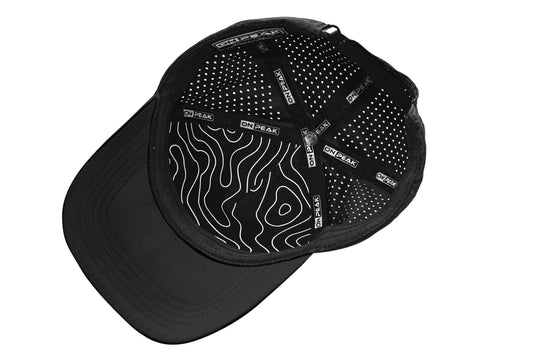
The sweatband is therefore an important part of a running hat. A well-designed sweatband can make a surprisingly large difference during longer runs.
3. Quick-Drying Material
A hat that stays wet for hours after a run isn't particularly practical.
Quick-drying materials can help a running cap return to a comfortable state sooner, particularly if you're training regularly or travelling with your running gear.
4. Ventilation
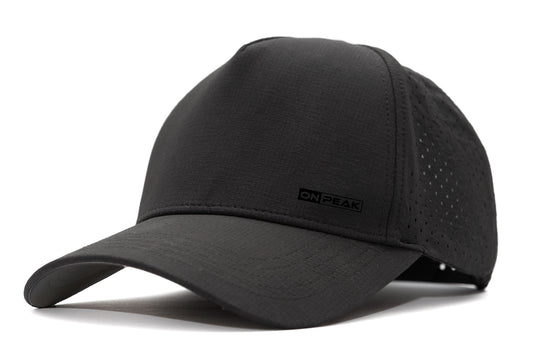
Look for features such as mesh panels, perforated sections or laser-cut ventilation.
These features can improve airflow and help reduce the hot, enclosed feeling that can occur with traditional caps.
5. Lightweight Construction
When you're running, unnecessary weight matters.
A good performance running cap should feel almost unnoticeable once you've put it on.
The less you have to think about your hat while running, the better.
6. A Secure Fit
Your running hat shouldn't constantly move around while you're running.
Look for an adjustable fit that allows you to secure the cap without making it uncomfortably tight.
A good running cap should stay in place when you're sprinting, climbing hills or running in windy conditions.
7. A Practical Visor
The visor isn't just about appearance.
It can help reduce glare and keep direct sunlight out of your eyes.
For runners, a visor that maintains its shape without being excessively heavy or rigid can be a useful feature.
8. UV Protection
If sun protection is a priority, check whether the manufacturer provides a specific UV or UPF rating for the material.
Cancer Council notes that the protection provided by a hat depends on its design and material, and recommends UPF50+ for sun-protective hats where maximum protection is required.
It's important not to assume that every running cap provides the same level of UV protection simply because it is marketed as a sports hat.

What Is the Best Hat for Running in Hot Weather?
There isn't one running hat that is best for every runner.
The right choice depends on where you're running, how long you're running and what conditions you're likely to encounter.
For example:
| Running conditions | What to look for in a running hat |
|---|---|
| Hot summer road run | Lightweight and breathable |
| Humid conditions | Quick-drying and highly ventilated |
| Long-distance training | Lightweight, comfortable and secure |
| Trail running | Breathability and a secure fit |
| Bright sunny conditions | Good coverage and UV protection |
| Race day | Lightweight construction and sweat management |
| Everyday training | Comfortable, durable and easy to clean |
The important thing is to choose a hat that matches the way you actually run.
A marathon runner might prioritise weight and sweat management. A trail runner might prioritise stability and durability. Someone running recreationally along the beach might put more emphasis on sun protection.
What Should You Wear Running in 30°C Heat?
Running in 30°C conditions requires more consideration than simply wearing your normal running outfit.
Choose lightweight, breathable clothing and avoid heavy fabrics that retain heat and moisture.
A typical outfit might include lightweight running shorts, a breathable technical shirt, suitable socks, running shoes, sunglasses and a lightweight running hat or cap.
You should also consider when you're running.
If conditions are particularly hot, moving your run to a cooler part of the day can make a significant difference. Always consider the actual weather conditions, humidity, UV level and your own experience in the heat rather than relying on temperature alone.
If you start feeling unwell, unusually weak, dizzy or confused while exercising in the heat, stop and seek appropriate assistance rather than trying to push through the session.
How Do You Stay Cool While Running?
Staying cool while running isn't about one particular piece of equipment.
It's about managing several factors at the same time.
Choose breathable clothing, avoid unnecessary layers, consider the time of day, use shaded routes where possible and carry or access fluids appropriate for your run.
Your running hat can also play a role.
A lightweight, breathable running cap can help manage sweat while its visor can shade your face and eyes from direct sunlight.
The difference between a thick everyday cap and a technical running cap can become particularly noticeable as the temperature and humidity increase.
Do Running Hats Make You Hotter?
This is one of the most common questions runners have about wearing a hat in summer.
The answer depends heavily on the hat.
A thick, poorly ventilated cap can trap heat and moisture. A lightweight performance running cap designed with breathable materials and ventilation can be considerably more comfortable in warm conditions.
This is why runners should look beyond the basic appearance of a hat.
Two caps might look almost identical from the outside while performing very differently once you start running.
Fabric, ventilation, weight, sweatband construction and fit all contribute to how comfortable a hat feels during exercise.
Running Hat vs Baseball Cap: What's the Difference?
A running hat and a traditional baseball cap can look similar, but they're generally designed for different purposes.
A conventional baseball cap is often made for casual everyday wear. It may use heavier materials, have limited ventilation and be less effective at managing sweat.
A performance running cap is designed around movement and exercise.
Typical features can include:
- Lightweight technical fabric
- Breathable panels
- Moisture management
- Quick-drying construction
- Sweat-wicking sweatbands
- Adjustable performance fit
- Lightweight visors
- Ventilation
This doesn't mean you can't run in a baseball cap.
You absolutely can.
But if you run regularly, a purpose-built running cap can be more comfortable, particularly during longer or hotter sessions.
Is a Running Cap Good for Sun Protection?
A running cap can provide some useful shade, particularly across the forehead, face and eyes.
However, coverage varies considerably between hat styles.
A standard cap does not cover the ears and neck in the same way as a broad-brimmed or legionnaire-style hat. Cancer Council specifically recommends broader coverage when maximum sun protection is the priority.
For runners, a cap should therefore be considered one component of a broader sun-protection strategy rather than a replacement for sunscreen or other protection.
When the UV Index is 3 or above, Cancer Council recommends combining protective clothing, SPF50+ broad-spectrum water-resistant sunscreen, appropriate headwear, shade and sunglasses.
Can You Run in the Rain With a Running Hat?
Yes.
In fact, a running cap can be useful in light rain because the visor can help keep rain off your face and out of your eyes.
The important consideration is the material.
A cotton cap can absorb a significant amount of water and become heavy. A technical running hat made from quick-drying or water-repellent material can be much more practical in wet conditions.
If you regularly run in unpredictable weather, look for a cap that dries quickly and maintains its shape when wet.
What Should You Look for When Buying a Running Hat?
If you're buying a running hat for Australian conditions, consider these questions before making a decision:
Does it breathe well?
Will it manage sweat?
Does it dry quickly?
Is it lightweight?
Will it stay securely on your head?
Does the visor provide enough shade for your needs?
Does the material have a stated UV or UPF rating?
Is the hat comfortable enough to wear for an hour or more?
Can it be easily washed?
Will it work in the conditions where you actually run?
The best running hat isn't necessarily the most expensive one. It's the one that solves the problems you experience when you run.
What About Running Hats for Long-Distance Running?
Long-distance running places greater demands on your gear.
A hat that feels comfortable for a 20-minute jog may become irritating after two hours.
For longer runs, prioritise comfort, weight, sweat management and stability.
A good long-distance running hat should stay comfortable without creating pressure points, excessive heat or irritation.
Sweat management becomes increasingly important as the run continues, which is why a quality sweatband and breathable construction can be particularly valuable for marathon training, half-marathon training and longer trail runs.
What About Trail Running?
Trail running introduces some additional considerations.
Your hat needs to stay secure while you're moving over uneven terrain, climbing and descending hills and potentially running through exposed areas.
Ventilation is still important, particularly during summer.
A secure fit is also valuable because repeatedly adjusting your cap while running can quickly become annoying.
For exposed trails, consider sun protection alongside your other equipment. The amount of shade available on a trail can vary significantly, so don't assume that being on a trail automatically means you're protected from UV.

Should You Wear a Hat When Running in Australia?
For many runners, yes.
A suitable running hat can be a practical part of your running kit, particularly in Australia's bright and often challenging outdoor conditions.
The key is choosing the right type of hat for the activity.
If you're looking for maximum sun coverage, a broad-brimmed or other sun-protective hat may be the better choice.
If you're looking for a lightweight performance cap for running, training or racing, look for breathable materials, sweat management, quick-drying construction and a secure fit.
The important thing is not simply wearing a hat.
It's wearing the right hat for the conditions.
The Best Running Hat Depends on How You Run
There is no single piece of running equipment that works perfectly for everyone.
The same applies to running hats.
A recreational runner completing a few kilometres on the weekend has different requirements from someone training for a marathon. A trail runner has different needs from someone running on the road. And someone running in humid Queensland conditions may prioritise ventilation differently from someone running in a cooler part of Australia.
That's why performance running hats have evolved beyond the traditional baseball cap.
Modern running caps can combine lightweight materials, ventilation, sweat management, quick-drying fabrics and performance-focused construction into a piece of equipment that is designed to disappear once you start running.
For Australian runners, that's ultimately what good running gear should do.
It shouldn't distract you from your run.
It should help you enjoy it.
Frequently Asked Questions About Running in Hot Weather
Should I wear a hat when running?
Yes, a suitable running hat can help shade your face and eyes, manage sweat and improve comfort in bright conditions. However, different hat styles provide different levels of sun coverage, so choose one appropriate for your conditions.
What is the best hat for running in hot weather?
The best running hat for hot weather is generally lightweight, breathable, moisture-managing and secure. Look for technical fabrics, ventilation and a comfortable sweatband. If maximum sun protection is the priority, consider a hat designed to provide greater coverage.
Do running hats keep you cool?
A lightweight, breathable running hat can help manage sweat and reduce direct sunlight on your head and face. A poorly ventilated or heavy hat may have the opposite effect, which is why material and construction matter.
Are running caps good for sun protection?
Running caps can provide shade for parts of the face and eyes, but standard caps don't provide the same coverage as broad-brimmed, bucket or legionnaire-style hats. For maximum sun protection, choose appropriate coverage and combine your hat with sunscreen, protective clothing, shade and sunglasses.
What should I wear running in 30°C heat?
Wear lightweight, breathable and moisture-wicking clothing, along with suitable running shoes. Consider a breathable running cap, sunglasses and sunscreen, and think carefully about the time of day, humidity, UV levels and hydration needs.
Is a baseball cap good for running?
A baseball cap can be used for running, but traditional caps may not offer the breathability, sweat management and lightweight construction of a purpose-built running cap.
What makes a good running hat?
A good running hat should be lightweight, breathable, comfortable and secure. Useful features include moisture-wicking materials, quick-drying fabric, ventilation, a comfortable sweatband and a practical visor.
Should I wear a hat when running in Australia?
A running hat can be a useful part of your kit when running outdoors in Australia, particularly in bright or sunny conditions. However, a cap should be considered part of a wider sun-protection strategy rather than a substitute for sunscreen or other protection.
Are breathable running hats worth it?
For runners who regularly train in warm or humid conditions, breathable running hats can be worthwhile because ventilation and lightweight construction can improve comfort and sweat management.
Can you run in a hat in summer?
Yes. A lightweight performance running cap can be particularly useful in summer, provided it is breathable, comfortable and appropriate for the conditions.
Final Thoughts
Running in Australia means dealing with heat, humidity, bright sunlight and high UV levels, so what you wear can have a significant impact on how comfortable your run feels.
The right running outfit doesn't need to be complicated.
Start with lightweight, breathable clothing. Choose comfortable running shoes. Protect your eyes and skin. Stay appropriately hydrated. Pay attention to the conditions. And if you run regularly in the Australian sun, consider adding a purpose-built running hat to your kit.
A good running cap shouldn't feel like another piece of equipment you have to think about.
It should simply do its job while you focus on the run.
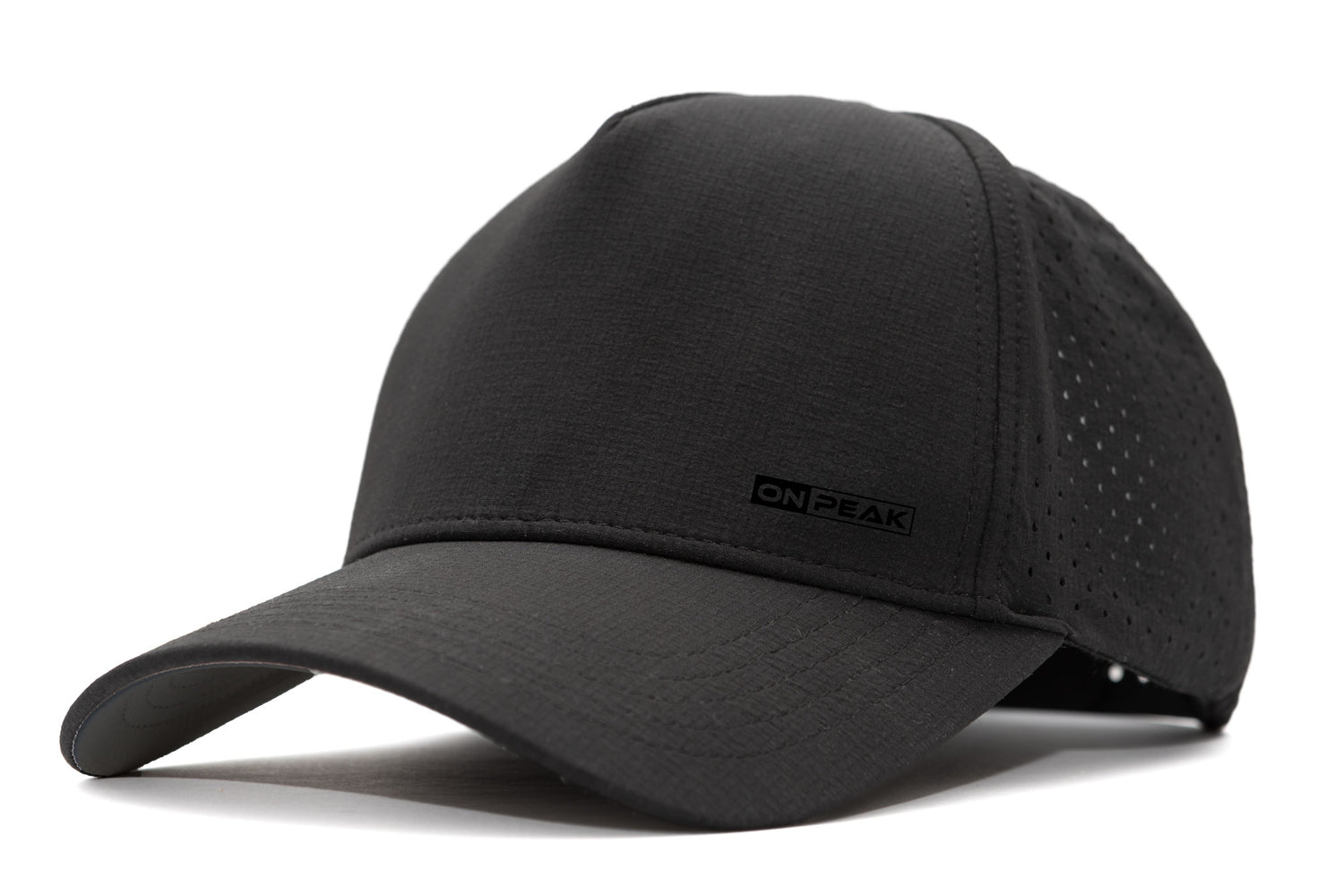
For runners looking for a lightweight, breathable performance cap designed specifically for running, training and outdoor activity, explore the Onpeak Performance Cap.